On-campus · Jun 2026
Incubation department as an Analyst at Bain & Company
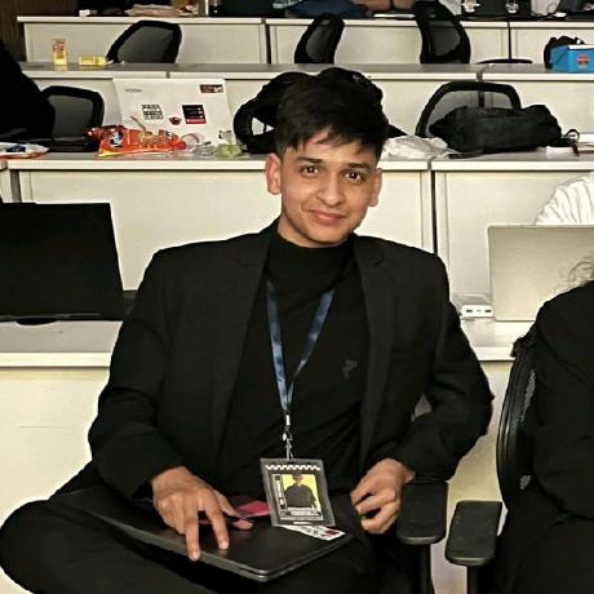
I am Netra Hirani, a 4th year student from COE branch
- Outcome
- Selected
- Difficulty
- Hard
- Rounds
- 1
- Format
- Virtual
- Panel
- Technical panel
What was the procedure of the placement that took place? (Shortlisting criteria, coding or aptitude test, number of interviews)
Since Bain&Co was open to all streams and didn’t have a CG cut, the number of applications was significant. There was a CV shortlisting round at first, which decided the candidates for an aptitude-based online test. The CV shortlisting was an overall screening of one’s profile- class 10th/12th marks, societies and extra-curriculars. There were roughly 700 students that appeared for the test, out of which 190 were selected further for the interview. Finally, approximately 40 students were selected.
Tell us about the written/online test. (Aptitude, Coding, Test Platform, etc)
The online test comprised 5 cases with 4 questions each, meaning 20 questions. 2 cases were based on decision-making capabilities, and 3 cases were data-interpretation questions. The test was conducted on HirePro and had negative marking. The test was of moderate difficulty, and many lengthy calculations were involved. It is advised to practice the paper pattern beforehand because when there are several candidates, every mark matters.
What were the key factors of your selection?
My resilience and confidence helped me a lot. In an interview setting, when you feel like, finally, you’ve solved the question, re-solving it in another manner throws you off-guard. However, I took a step back and re-analyzed the case to get a solution instead of giving up. I think the interviewer was happy with my resume, data-resolving and quick-thinking ability.
What are the things students should focus on, in order of priority?
Being a COE student, the ratio of companies that come on-campus for SDE roles over-powers the non-SDE roles. Hence, having a steady hand at coding is a must since the number of competitors for non-SDE roles is significant. Leetcode’s top interview questions and Striver’s coding sheet helped me practice my coding. Secondly, if one aims for an Analyst role- Guesstimates and Case-studies definitely require practice. Pair up with one of your friends, practice cases to boost your confidence and get an insight into how they can be solved with different approaches. Last and not the least- previous internships and research publications tend to catch the eye of the interviewer in most situations.
According to you, what role do extracurricular activities as well as participation in societies play?
S ocieties are where you enhance your personality, hone your skills and meet like-minded people. One learns people management, teamwork, communication, networking and event organization. All these skills benefit in the long run and also help in placement- I was asked about my leadership positions.
Were there any companies you got rejected from after appearing for their interview? If yes, then tell us about your rejection story and what do you think were the reasons for your rejection?
I applied to several off-campus companies and got rejected in the off-campus recruitment process a few times. However, I had a pleasant on-campus experience, and Bain was my first interview, which thankfully converted into an offer.
What message would you like to give to your juniors regarding the stress they go through during placement season?
Getting rejected after interviews really lowers one’s morale. However, keeping faith is the only way to go. The self-pressure also becomes immense when students see their batchmates and friends getting placed. So, despite the hardships and stress, it’s always better to cool off, rest for a day and get back the next day to strive for more and strike better. It is better to stay calm than waste a few days in stress or dejection.